
Gambling's cultural significance exploring its impact across societies
The Historical Context of Gambling
Gambling has a rich and complex history that dates back thousands of years, making it a significant aspect of human culture. Archaeological findings suggest that ancient civilizations, such as the Chinese, Greeks, and Romans, engaged in gambling activities ranging from simple dice games to sophisticated betting systems on athletic contests. These activities were not merely recreational; they often held cultural and social importance, serving as a means for community bonding and celebration. In the realm of modern gaming, players can explore options from a variety of places, including the best payid pokies.

In many societies, gambling was intertwined with religious and spiritual practices. For instance, the ancient Greeks participated in gambling during festivals honoring their gods, which reinforced their cultural values and societal structures. The randomness associated with gambling was sometimes viewed as a form of divine intervention, adding a layer of significance to the act itself. This historical context illustrates how gambling has often transcended mere entertainment to reflect deeper societal values and beliefs.
Throughout history, the legal status and societal acceptance of gambling have fluctuated. Many societies have oscillated between periods of acceptance and stringent prohibition, reflecting the changing moral landscapes and economic factors of the time. Understanding this historical journey provides essential insights into how contemporary societies perceive gambling and its various manifestations, from casual games among friends to state-sponsored lotteries.
Gambling as a Social Activity
In contemporary society, gambling is often seen as a social activity, bringing people together in a shared environment. Casino establishments, sports betting venues, and online platforms create spaces where individuals can engage with one another, fostering community spirit and camaraderie. These social gatherings often revolve around significant events, such as sporting events or holiday celebrations, where gambling adds an extra layer of excitement and engagement.
Moreover, the social dynamics of gambling can vary widely across cultures. In some societies, playing cards or betting on horse races can be a cherished tradition, passed down through generations. This sharing of knowledge and experience not only strengthens familial bonds but also creates a sense of belonging among participants. In contrast, other cultures may approach gambling with caution, wary of its potential to disrupt social harmony or lead to negative consequences.
The rise of online gambling has further transformed the social landscape, allowing individuals to connect across geographical boundaries. Players can now join virtual tables or participate in online sports betting, interacting with others from different cultures and backgrounds. This globalization of gambling underscores its adaptability and its potential to foster connections while also raising questions about the implications of such interactions on individual behaviors and societal norms.
Economic Implications of Gambling
The economic impact of gambling is significant and multifaceted, influencing local and national economies in various ways. Legalized gambling generates substantial revenue through taxation, creating jobs and stimulating local businesses. For many communities, casinos and betting venues serve as major sources of employment, contributing to economic growth and development. This economic incentive often prompts governments to regulate gambling to harness its financial benefits.
However, the economic implications of gambling extend beyond mere revenue generation. There are also concerns regarding the potential societal costs associated with gambling addiction and related issues. Increased gambling activities can lead to a rise in social problems, including financial instability, strained relationships, and mental health challenges. Striking a balance between promoting economic benefits and addressing the social risks is a complex challenge for policymakers.
Furthermore, the emergence of online gambling has introduced a new layer to the economic landscape. While it offers convenience and accessibility, it also raises questions about regulation and consumer protection. As more individuals turn to online platforms, it is essential to consider how these changes impact local economies, particularly in areas where traditional forms of gambling may already be established.
Cultural Perspectives on Gambling
Cultural perspectives on gambling vary dramatically across the globe, influenced by historical, religious, and social factors. In some cultures, gambling is celebrated as a form of entertainment and a rite of passage, while in others, it is stigmatized and viewed as a vice. For instance, in many Asian cultures, games like Mahjong are celebrated as family gatherings, creating an environment of fun and connection, rather than solely focusing on winning or losing.
Conversely, some Western societies have historically regarded gambling with skepticism, associating it with moral decay and vice. This perception can lead to strict regulations and social stigma, creating barriers for individuals who may wish to participate in gambling as a form of entertainment. The dichotomy of these cultural attitudes underscores the importance of understanding the broader cultural context when discussing gambling’s role in society.
Additionally, gambling has become a focal point in discussions about cultural identity and heritage. For instance, Indigenous communities may use traditional gambling games as a way to preserve cultural practices and pass down stories. Such practices can empower communities, enabling them to assert their identity while simultaneously engaging with broader societal trends. This cultural significance highlights the need for a nuanced understanding of how gambling interacts with identity and tradition.
The Future of Gambling in Society
The future of gambling is poised for significant transformation, driven by technological advancements and evolving cultural attitudes. The proliferation of mobile technology and online platforms has made gambling more accessible than ever, raising questions about regulation and responsible gaming. As virtual reality and augmented reality technologies emerge, they promise to revolutionize the gambling experience, providing immersive environments that could further blur the lines between reality and gaming.
In response to these changes, societies are beginning to adapt their regulatory frameworks to protect consumers while maximizing economic benefits. Issues such as problem gambling and consumer protection will increasingly come to the forefront of discussions about the future of gambling. Governments and industry stakeholders must work collaboratively to develop strategies that address these concerns, ensuring a sustainable and responsible gambling environment.
Moreover, as societies become more interconnected, the cultural exchange surrounding gambling practices is likely to grow. This could lead to a more diverse gambling landscape, where various cultural practices influence one another. Recognizing and respecting these cultural differences will be essential in shaping a future that honors the historical significance of gambling while promoting positive social outcomes.
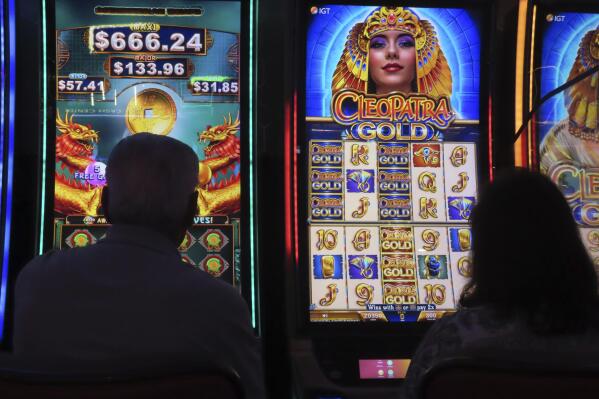
Exploring Gambling Culture Online
The online landscape has dramatically reshaped the cultural significance of gambling in recent years. With the rise of digital platforms, players can now engage in a vast array of gambling activities from the comfort of their homes. This accessibility has not only transformed individual behaviors but has also influenced cultural attitudes towards gambling. What was once a physical, communal activity has now shifted to a virtual space, creating new dynamics in how people experience and relate to gambling.
Online gambling communities foster a unique culture that transcends geographic boundaries. Players from different regions can connect, share strategies, and partake in discussions that enrich their understanding of gambling. This global interaction can lead to a blending of cultural practices, where players adopt and adapt different gambling methods and customs, thereby creating a dynamic and evolving gambling culture.
As the online gambling space continues to grow, it is essential for users to approach it with a sense of responsibility. Navigating this culture involves understanding the implications of one’s actions, the potential for addiction, and the importance of informed decision-making. As more individuals engage in online gambling, fostering a culture of awareness and responsibility will be crucial in ensuring that the benefits of gambling can be enjoyed without detrimental consequences.